The Meeting After the Meeting: Navigating Informal Power Structures

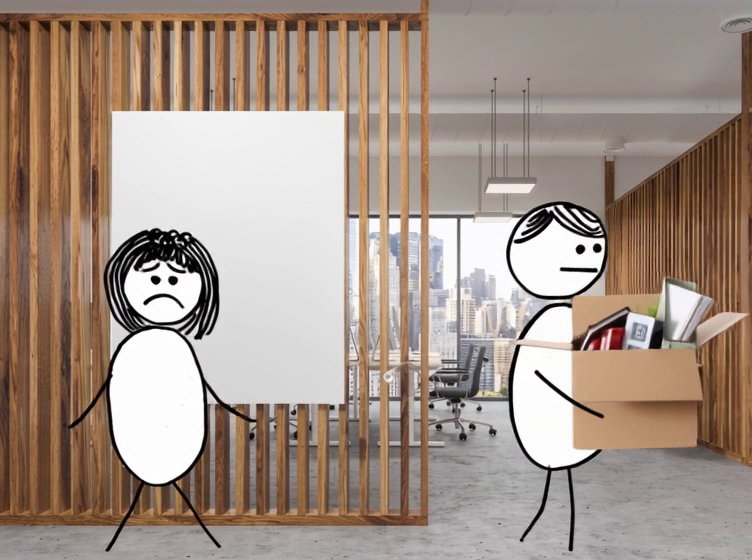
Miriam is a Director of Marketing at a mid-size tech company. After weeks of preparation, she presented a campaign proposal to the leadership team. It was well-researched, well-scoped, and the room respond well. Her VP gives it a verbal green light at the end of the meeting. Miriam leaves feeling good.
The next morning, she gets a two-line email. The initiative is on hold pending "further budget review."
What happened? The Head of Finance (who was in that meeting, said nothing, and showed no visible objection), walked down to the VP's office afterward and made his case privately. The numbers bothered him. He had concerns he didn't raise in the room, because that's not how he operates. He waits. Then he has the real conversation one-on-one, where there's no audience, no pressure to be collegial, and no Miriam to counter his points.
By the next morning, the decision had been unmade.
Miriam did everything right inside the formal process. What she didn't have was visibility into how the Head of Finance actually operates — or a relationship with him strong enough that he might have surfaced his concerns to her before taking them to her VP. She also didn't have anyone in that post-meeting conversation advocating for her proposal when she wasn't there to do it herself.
That's the meeting after the meeting. You can win the room and still lose the decision.
You've been in this situation. A major initiative gets announced. Resources get reallocated. Someone gets greenlit for a stretch assignment. And you're sitting there thinking: when did this happen? Because it wasn't in any meeting you attended.
It happened in the meeting after the meeting. The one you weren't in.
This is one of the least-discussed and most consequential realities of organizational life, especially for women in senior roles. The formal meeting — the one with the calendar invite and the agenda — is often where decisions get announced. The actual decision happened somewhere else. In a hallway. Over coffee. On a Slack thread that only three people are in. On the golf course (as an avid golf-hater, this one drives me particularly me nuts).
It’s time to get strategic about how we manage this.
What "The Room" Actually Looks Like
"The room where it happens" isn't always a literal room. It's any space — physical or virtual — where information flows before it becomes official, where ideas get stress-tested before they go to the table, where someone's candidacy gets floated informally before an opportunity is ever posted.
It might look like:
The pre-meeting briefing. Some leaders hold informal check-ins before a major meeting with a small group of advisors. If you're not in that group, you're walking into a room where half the people already know what the outcome is going to be.
The post-meeting debrief. After the formal session ends, a smaller cluster of people stays behind — physically or virtually. This is where the real reactions get shared, the deals get struck, and the narrative gets shaped.
The informal Slack channels. Most organizations have formal channels, and then they have the real ones. The ones where the VP drops the actual context. The ones where someone says "between us."
The recurring 1:1 with high-stakes players. If you're not in regular dialogue with the people who shape decisions, you're operating on delayed information. By the time something becomes official, the influencers have already had the conversation five times.
Social proximity outside of work. This one is uncomfortable to name, but necessary: relationships formed outside formal work settings — over drinks, at industry events, on the golf course — carry organizational weight.
Why Women Are Often Left Out
There's a reason the phrase "old boys' network" exists.
The 2021 McKinsey Women in the Workplace report found that women, and especially women of color, are significantly less likely to have access to senior leaders and to report receiving the kind of informal career support that advances careers.
Several dynamics contribute:
Affinity bias. People sponsor and include people who remind them of themselves. In male-dominated industries, senior leaders often default to building their inner circles from people who share their background, communication style, and social preferences — which frequently means other men.
Social comfort zones. If the informal culture around leadership involves activities or settings that feel exclusionary (the team golf day, the after-hours bar), women often opt out — reasonably — and lose access to relationship-building that happens there.
"Not putting herself forward." Women are less likely to insert themselves into conversations uninvited, in part because the social cost for doing so is higher, but also because so many of us were taught to “wait our turn” and to not be “too much”.
The result: women do the work, deliver the results, and still find themselves blindsided by decisions made in conversations they were never part of.
How to Get Included
Let's be direct: there is no one tactic that fixes this. It requires a sustained, deliberate approach to building your informal influence. Here's where to start.
1. Map the actual network
Before you can navigate informal power, you have to see it. Who are the people whose opinions carry disproportionate weight? Who does your senior leadership consult before making decisions? Who gets included in the pre-meeting briefings?
This isn't gossip. This is organizational intelligence. Pay attention to who sits next to whom at events, who responds first in Slack, who gets cc'd on things they don't strictly need to be. The network becomes visible when you look for it.
2. Get in front of decision-makers before the decision
The worst time to build a relationship with a senior leader is when you need something from them. If the only time you're in a substantive conversation with the CTO is when you're pitching a major spend on a marketing campaign, you're starting at a significant disadvantage.
Request informational meetings. Ask good questions. Offer something useful — an insight, a connection, a piece of information relevant to their priorities. Make yourself a person they think of as a valuable voice, not a name on an org chart.
3. Create your own informal channels
If you're not being invited into the rooms, consider building adjacent ones. This might look like starting a peer group at your level, hosting a working lunch, or initiating cross-functional coffee chats. The goal is to become a connector in your own right, which gives you a different kind of informal power.
4. Ask directly to be included
This one feels uncomfortable, but it works more often than people think. If you know there's a pre-meeting happening that you have information relevant to, you can say to a peer or manager: "I have some context on this — would it be useful for me to be part of the prep conversation?" That's not overstepping. That's advocating for your own presence.
5. Find a sponsor, not just a mentor
A mentor gives you advice. A sponsor uses their political capital to advocate for you when you're not in the room. The distinction matters enormously.
A sponsor talks about you in the meetings you're not invited to. They say your name when opportunities come up. They are, in effect, your informal representative in the rooms you haven't yet earned access to. Cultivating at least one sponsor relationship is one of the highest-leverage things you can do for your career.
6. Read the social dynamics, then decide how to play
Some of the informal culture around leadership may feel like a bad fit — activities or settings that don't suit you, or that feel like they require you to be a different version of yourself to participate. You get to decide what you're willing to do and what you're not. But make that a conscious choice, not a default opt-out. If you're regularly declining invitations to after-work events, know what you might be giving up relationally, and think about how to compensate for it elsewhere.
The Bigger Point
The informal power structure of your organization is not a secret conspiracy. It's just human beings doing what human beings do: making decisions through relationships, with the people they trust, before those decisions become official.
The question isn't whether this is fair. (It often isn't.) The question is whether you're going to treat it as a fixed obstacle or a navigable system.
High-achieving women who advance to the executive level tend to be the ones who learned to see the informal network clearly, build relationships deliberately, and show up in the right conversations before they needed something. Not instead of doing excellent work. In addition to it.
You've already proven you can do the job. Now it's time to make sure the people with influence know it.
Not sure what's actually holding you back from the rooms where decisions happen? The Stuck Director Assessment identifies the specific pattern keeping you stuck — and gives you a starting point for changing it.